

Earthquake Preparedness Checklist for Mexican Businesses
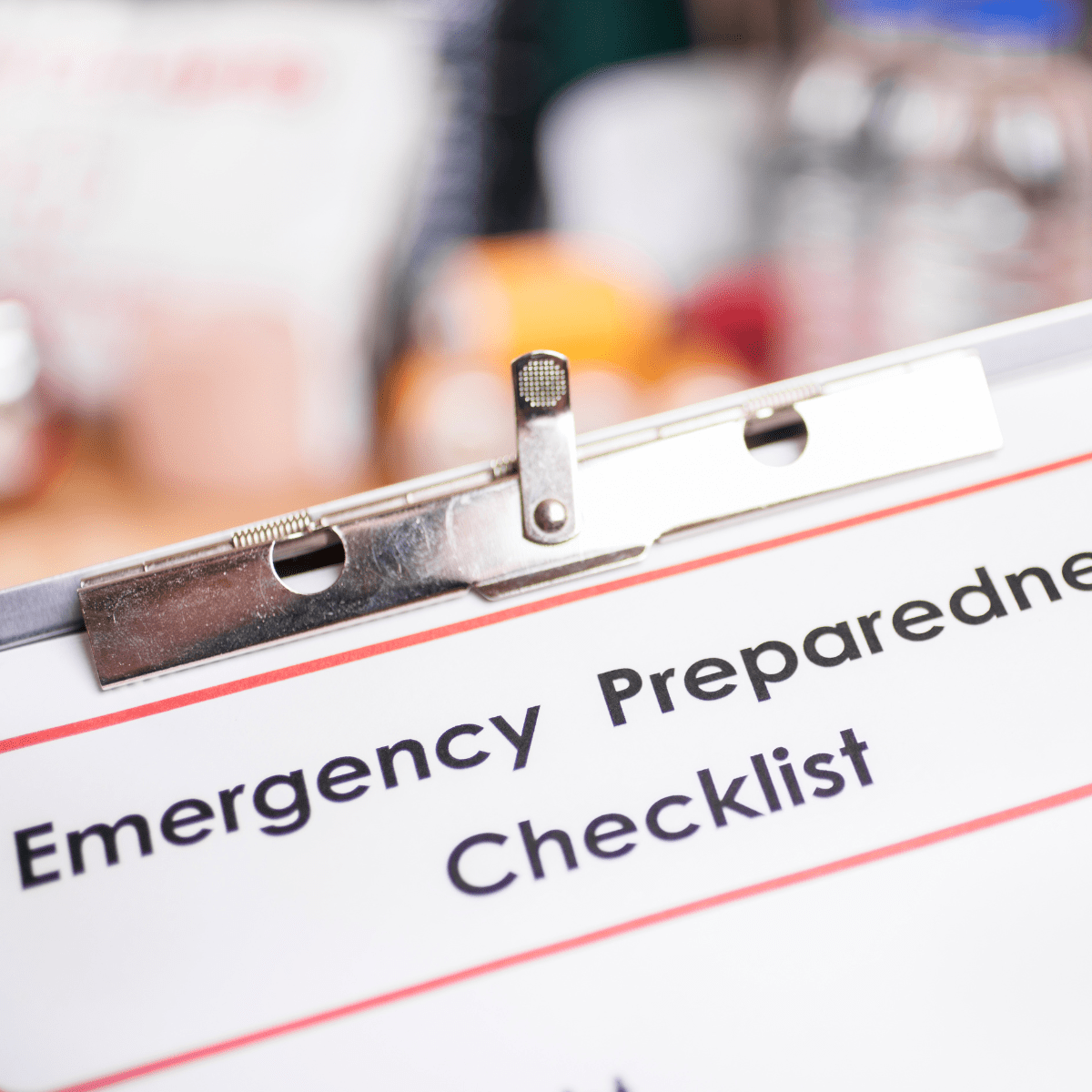
A practical framework covering legal, operational and safety considerations
Why Preparedness Is Both a Legal and Operational Matter
Earthquake preparedness in Mexico is not only a matter of internal risk management. It also intersects with civil protection obligations that apply to many businesses and facilities. Understanding both the regulatory expectations and the practical operational steps involved, including earthquake early warning, gives organizations a more complete and defensible preparedness posture.
Treating preparedness as a single checklist item, rather than an ongoing program, is one of the most common gaps businesses fall into. A plan written once and never revisited tends to fall out of step with how a facility actually operates over time.
Civil Protection Obligations for Businesses
Mexican civil protection authorities generally expect businesses with physical facilities and employees on site to maintain basic emergency preparedness measures, which can include evacuation routes, designated assembly points, posted emergency procedures and periodic drills. Requirements can vary by state and municipality, so businesses should confirm the specific obligations that apply to each of their locations and treat these requirements as a baseline rather than a ceiling.
Businesses with facilities in multiple municipalities or states should keep a clear internal record of which requirements apply where, since a single national checklist rarely captures the full picture accurately.
Building and Facility Safety Considerations
Operationally, preparedness starts with the physical facility itself. This includes understanding a building’s structural condition, securing heavy furniture, shelving and equipment that could pose a hazard if it moves during shaking, and identifying safe areas within each facility where employees can shelter if evacuation is not immediately possible.
Facilities that lease rather than own their space should confirm these considerations directly with property owners or managers, since responsibility for structural elements often sits outside a tenant’s direct control.
Operational Continuity and Earthquake Early Warning
Beyond immediate safety, businesses should plan for operational continuity in the hours and days following a significant earthquake, including how quickly a facility can be safely reassessed. Earthquake early warning from SeismicAI’s ShakeWatch app adds a practical layer to this planning, giving employees a countdown before the destructive waves hit and giving safety teams a centralized view of conditions across every site through ShakeCommand.
A structured post-event report, generated quickly after an earthquake, can significantly speed up the reassessment process, giving decision-makers the information they need to determine when it is safe to resume operations.
Employee Safety and Communication Protocols
Clear communication protocols are essential during and after an earthquake. Employees should know in advance how they will be warned, what immediate actions they are expected to take before the destructive waves hit, and how they should confirm their safety status afterward. Safety officers and HR teams should have a clear, centralized way to track that information across every site the organization operates.
A Simple Checklist to Start With
Organizations beginning or reviewing their earthquake preparedness efforts can start with a focused set of priorities.
- Confirm current civil protection requirements applicable to each facility location
- Review and update evacuation routes and designated assembly points
- Secure heavy furniture, shelving and equipment in every facility
- Establish organization-level earthquake early warning for employees at every site
- Set up a clear process for employees to confirm their safety status after an event
- Prepare a plan for rapid post-event facility assessment before resuming operations
- Schedule regular drills to keep procedures current and familiar to employees
Frequently Asked Questions
What should an earthquake preparedness checklist for a Mexican business include?
It should cover civil protection requirements, evacuation routes, facility safety measures, organization-level earthquake early warning, employee check-in procedures, and a plan for rapid post-event assessment.
How does earthquake early warning support business continuity in Mexico?
SeismicAI’s earthquake early warning gives employees a countdown before the destructive waves hit and gives safety teams centralized visibility, helping organizations respond quickly and resume operations safely.